


2026 Toyota C-HR: Airmont Buyers Guide
Quick Answer: The 2026 C-HR at a Glance
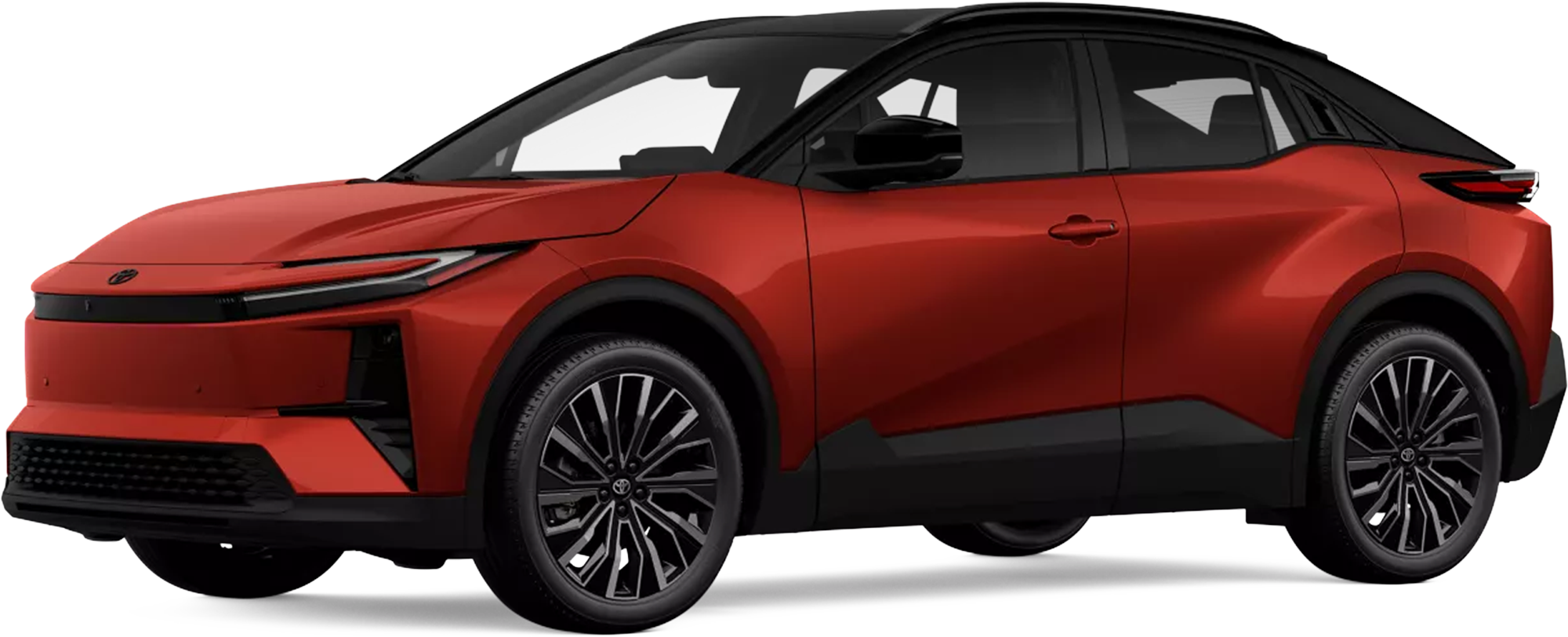
The C-HR name is back at Toyota, but the vehicle underneath it is completely new: for 2026 it's an all-electric compact SUV, not the gas-only C-HR Toyota sold here through 2022. Two trims, SE ($37,000 MSRP) and XSE ($39,000 MSRP), both come standard with dual-motor all-wheel drive, 338 horsepower, a 74.7-kWh battery, and Toyota's estimate of up to 287 miles of EPA-estimated range on the SE's 18-inch wheels (273 miles on the XSE's 20s). Every C-HR charges through a NACS port compatible with Tesla Supercharger stations, and both grades come with Toyota Safety Sense 3.0 standard. Interstate Toyota is taking a close look at early allocation at 411 Route 59 in Airmont.
Same name, entirely different car
If the C-HR badge rings a bell, that's fair — Toyota sold a gas-only version of it in the U.S. from 2018 through 2022 before quietly dropping it. This is not that car with an update. The 2026 C-HR is a ground-up battery-electric SUV built on Toyota's e-TNGA platform, and it doesn't share a single spec with the old one. There's no engine, no gas tank, and no relationship to the C-HR+ hybrid that's sold in Europe under a similar name. It's also a separate model from Toyota's existing bZ and bZ Woodland electric SUVs already in the lineup — C-HR is smaller and pitched with a sportier, more style-forward stance, not a replacement for either.
What carries over is the attitude. The old C-HR was always the design-forward option in Toyota's lineup, and the electric version keeps that going with a low, coupe-like roofline and a full-width taillight bar that reads more hot-hatch than crossover. Underneath, dual electric motors handle all-wheel drive on every single C-HR sold — there's no front-drive version to choose and no AWD upcharge to budget for, which is a genuine departure from how Toyota prices AWD on the RAV4 or Camry.
What 338 horsepower and a 74.7-kWh battery actually mean day to day
Toyota's own estimate puts 0-60 mph at around 5 seconds — brisk enough that Edmunds' own testing flagged the C-HR as noticeably quicker than its compact-SUV positioning suggests. That's front and rear electric motors working together, and the combined output doesn't change between SE and XSE; both trims get the identical 338-horsepower powertrain. What does change between them is wheel size, and wheel size is what moves the range number: SE's 18-inch wheels are rated for an EPA-estimated 287 miles, while XSE's larger 20-inch wheels bring that down to 273 miles. Neither figure is a knock on the XSE — bigger wheels create more rolling resistance on any EV, gas car, or hybrid — it's just the tradeoff for the sportier look.
Charging runs through a NACS port, the same connector Tesla uses, which means direct access to the Supercharger network without an adapter for most public fast-charging stops. Toyota quotes roughly 30 minutes to go from 10% to 80% charge under ideal DC fast-charging conditions, and an 11-kW onboard AC charger handles home charging overnight. For most Route 59 and Suffern-area commutes, a nightly Level 2 home charge covers the week without a public charging stop at all.
Choose a 2026 C-HR
C-HR SE
from $37,000 MSRP
18-inch wheels, 287 miles of estimated range, heated seats and steering wheel standard.
C-HR XSE
from $39,000 MSRP
20-inch wheels, Panoramic View Monitor, Traffic Jam Assist, richer seating materials.
Buying an EV from a dealership you already trust
A model this new means there isn't yet a stack of C-HR-specific owner reviews to point to, so the more useful signal is how Interstate Toyota treats buyers making the jump to their first electric vehicle. Sebastian Wynters, a repeat customer over 11 years, described exactly that kind of purchase this spring: "My Finance Manager Jesus, calm and calculated, TALKED ME OUT OF A POLICY I didn't need because I'm buying an all electric car and he fought for TWO DAYS to get me the very best rate and financing I need. This place builds relationships and puts those relationships first." That's the same finance team that would walk a C-HR buyer through NY's Drive Clean Rebate paperwork and a home-charging conversation most gas-car purchases never need.
The dealership's broader reputation backs that up — a multilingual sales and service staff (Spanish, Portuguese, Italian, Polish, Arabic, and Russian), a pressure-free approach the reviews mention repeatedly, and sales, service, parts, and a collision center all under one Airmont roof.
Two more things to sort out
Trim choice is only part of the decision on a first EV purchase. The C-HR pricing & leasing guide below covers what actually lands on an out-the-door number in Rockland County, including where the old federal EV tax credit stands now and what New York's own rebate program still offers. The C-HR service & repair guide covers what maintaining an EV looks like versus the gas and hybrid Toyotas Interstate Toyota's service bays are used to, plus what a Hudson Valley winter does to range.
Frequently asked questions
Is the 2026 Toyota C-HR a hybrid?
No. The 2026 C-HR is a fully electric vehicle (BEV) with no gas engine at all. It's rated in MPGe and EV range, not mpg — a meaningful change from the old gas-only C-HR that carried this name through 2022.
How much does a 2026 C-HR cost?
MSRP starts at $37,000 for the SE and $39,000 for the XSE, both before destination charge, taxes, title, and registration. The pricing guide breaks down the full out-the-door math for a Rockland County purchase.
How far can a C-HR go on a full charge?
Toyota's EPA-estimated range is up to 287 miles on the SE's 18-inch wheels and 273 miles on the XSE's larger 20-inch wheels. Both trims share the same 74.7-kWh battery — the difference comes entirely from wheel size and rolling resistance, not battery capacity.
Does the C-HR come with all-wheel drive?
Yes, standard on every C-HR — dual front and rear electric motors provide AWD on both SE and XSE. There's no front-wheel-drive version and no AWD option to add; it's simply how every C-HR is built.
Is the C-HR related to the Toyota bZ?
No. They're separate nameplates sold alongside each other in Toyota's 2026 lineup. The C-HR is positioned as a smaller, sportier-styled EV; the bZ and bZ Woodland are Toyota's other electric SUVs. Don't expect shared trim names or specs between them.
When can I get a 2026 C-HR at Interstate Toyota?
Toyota's own release points to a 2026 on-sale window, with some early coverage citing a March 2026 dealership arrival. As a first-year launch, allocation can run tight — check current inventory or ask the sales team to flag incoming stock.
See it in person
An EV this new is worth experiencing before deciding between SE and XSE — the instant torque off the line and the two wheel sizes' effect on ride feel are easier to judge in the driver's seat than on a spec sheet. Browse current C-HR availability or stop by 411 Route 59 in Airmont.
MSRP figures exclude the destination charge, taxes, title, registration, and dealer-installed options; the dealer sets the actual selling price. Range and MPGe figures are Toyota's own EPA-based estimates as reported at launch; real-world results vary with driving conditions, temperature, and wheel/tire choice. Specs, equipment, and on-sale timing reflect Toyota's press materials as of this vehicle's announcement and can change before wide availability — confirm current specs and allocation with Interstate Toyota. Customer quotes are excerpts from public Google reviews of Interstate Toyota.