


2026 Toyota Prius Plug-in Hybrid: Airmont Service & Repair Guide
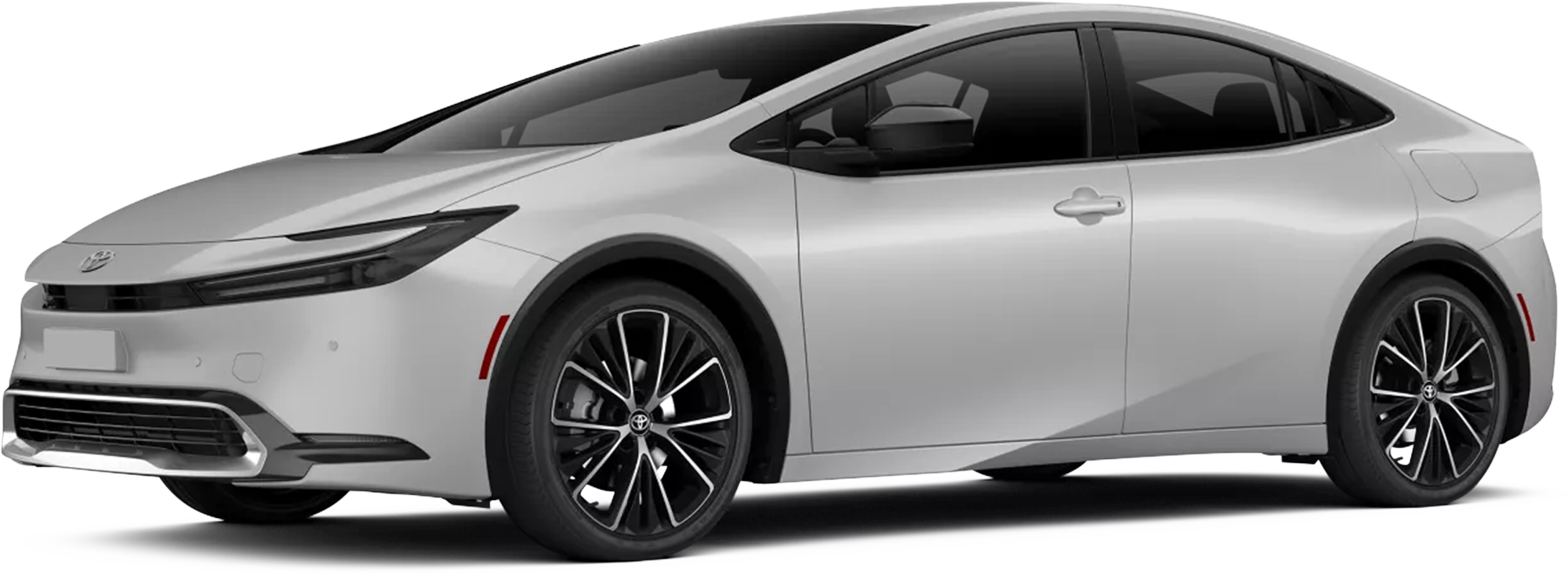
Quick Answer: Servicing a Prius Plug-in Hybrid in Airmont
A Prius Plug-in Hybrid still needs conventional maintenance — it's a hybrid with a bigger battery and a plug, not an EV — on Toyota's usual 5,000-mile/6-month rhythm for tire rotations and multi-point inspections, with synthetic oil changes on their own schedule. ToyotaCare covers the factory-scheduled visits free for the first 2 years or 25,000 miles, plus 24-hour roadside assistance for 2 years/unlimited miles. The 13.6-kWh plug-in battery carries the same 10-year/150,000-mile warranty as the standard hybrid battery. Interstate Toyota's service department at 411 Route 59 in Airmont is open Monday-Saturday 8am-6pm and Sunday 8am-3pm, with an in-house parts department, collision center, and Toyota rentals for when a visit means being without your car.
What's different about servicing a plug-in versus a regular hybrid
The honest answer is: less than most first-time plug-in owners expect. This is still a car with a 2.0-liter gas engine, an oil pan, a cabin air filter, and brake pads — none of that goes away because there's a plug. What changes is how often the gas engine actually runs. A driver who charges nightly and stays inside the car's 39-to-44-mile EV range may go weeks between fill-ups, which means Toyota's mileage-based service intervals (5,000 miles, 10,000 miles, and so on) can stretch out in calendar time even though the underlying rhythm stays the same. The trade-off is that engine oil can sit unchanged for longer than a daily-driven gas car's would, so Interstate Toyota's service advisors watch the calendar interval as closely as the odometer for plug-in owners who mostly run on electricity.
Regenerative braking works the same way it does on any Toyota hybrid — the electric motors do a meaningful share of the slowing, which means brake pads on a plug-in typically outlast a comparable gas vehicle's by a wide margin. There's no starter or alternator to fail, either. What does need routine attention is the 12-volt accessory battery that runs the car's electronics separately from the main traction battery, and it's checked at every multi-point inspection.
Charging equipment and the traction battery
The 13.6-kWh lithium-ion battery charges from either a standard 120-volt household outlet (realistically an overnight charge) or a Level 2 home or public charger (roughly 2 to 2.5 hours for a full charge). Toyota's hybrid-related-components warranty covers 8 years/100,000 miles, and the plug-in traction battery specifically carries the same 10-year/150,000-mile coverage Toyota has applied to hybrid batteries since 2020 — meaningful peace of mind on the single most expensive component in the car, and one most owners will never need to think about within that window. A Level 2 home charger installation is a separate purchase from the vehicle itself; Interstate Toyota's sales and finance team can point new owners toward installer options serving the Airmont and Suffern area.
What Rockland County actually does to a plug-in Prius
Real winters, real salt. Airmont gets genuine snow accumulation most winters, and New York's road-salt program on Route 59 and the Palisades Parkway means the underbody takes a beating every season, charge port included — a periodic underbody wash and a visual check of the charging door seal head off bigger issues.
Cold weather and EV range. Like any plug-in vehicle, electric-only range drops in cold temperatures as the battery works harder and the cabin heater draws power. A Rockland County winter commute that easily covers 39-44 miles on electricity in October may need the gas engine's help by January — normal behavior, not a fault, but worth setting expectations around before the first cold snap.
Route 59 potholes. Freeze-thaw cycles chew up local pavement every winter into spring, and XSE, Nightshade, and XSE Premium's 19-inch wheels feel it more than SE's smaller wheels do. A steering wheel that pulls or sits off-center after a hard hit is worth an alignment check before uneven tire wear sets in.
New York's annual inspection. New York requires a safety inspection every 12 months for every registered vehicle, no exceptions for a new plug-in. The OBD emissions half of the combined inspection applies once a vehicle is more than two model years old, so a 2026 Prius Plug-in Hybrid bought this year gets a safety-only inspection at first.
How the service department actually runs
Interstate Toyota's reviews describe quick, no-pressure visits even for something as routine as an oil change. Marcelle Etienne's 2026 visit was typical: "I came in for an inspection and oil change and it was the quickest and best experience I've ever had. Chris told me exactly what would be done and gave me a great deal." Isaac Lebovits, a Toyota owner who's used the service department repeatedly, singled out the same consistency: "I'm doing my service for my Sienna (oil change, tire rotations) at Interstate Toyota. I love the service by all of the staff, especially Jeremy!" A Toyota recall visit went the same way for the Yagudaev family: "Christopher Sandoval reached out and set up a time for me to bring the car, the service was quick and very professional! We got a car wash, oil change and tire rotation all for free."
Learn-it-yourself corner
Interstate Toyota's own how-to library ranks well on Google for a reason — it answers the exact questions Toyota owners search for. Start with why your Toyota's Bluetooth isn't connecting if the multimedia system acts up, then power door lock troubleshooting for a lock that's misbehaving. Before the first cold snap, bookmark the windshield defrost guide and the rustproofing explainer, both genuinely useful in a Hudson Valley winter. For "why won't it start" moments, the starter replacement signs and dead 12-volt-battery diagnosis guides cover the two most common causes. When a guide points to "have it inspected," the online scheduler is the next step.
Frequently asked questions
How often does a Prius Plug-in Hybrid need service?
Every 5,000 miles or six months for rotations and inspections, on the same schedule as any Toyota hybrid. ToyotaCare covers the factory-scheduled visits free for the first 2 years/25,000 miles regardless of how much of that mileage was driven on electricity.
Do I need to change the oil if I mostly drive on electricity?
Yes — the gas engine still needs scheduled oil changes even if it runs infrequently, since oil degrades with time as well as mileage. Interstate Toyota's service advisors track the calendar interval for plug-in owners whose engine usage runs light.
Is the plug-in battery covered under warranty?
Yes — 10 years/150,000 miles on the traction battery, matching Toyota's standard hybrid battery coverage, plus 8 years/100,000 miles on other hybrid-related components.
Does cold weather hurt the battery long-term?
No permanent damage — cold temporarily reduces usable EV range each winter (normal battery chemistry, not a defect) but doesn't shorten the battery's long-term lifespan under normal use.
How do I book a service appointment?
Online here, Monday-Saturday 8am-6pm and Sunday 8am-3pm, with current service specials posted regularly.
The bottom line
A Prius Plug-in Hybrid asks for the same basic care any Toyota hybrid does, plus a charging habit and a little cold-weather range awareness. Use the two free ToyotaCare years, lean on the how-to library for the small stuff, and let Interstate Toyota's team handle the rest.
Maintenance intervals and coverage terms summarize Toyota Motor Sales, U.S.A.'s published programs; your vehicle's Warranty & Maintenance Guide governs actual coverage. ToyotaCare covers normal factory-scheduled service for 2 years/25,000 miles; wear items and additional repairs bill separately. Service offerings and hours are as published by Interstate Toyota and may change; confirm when scheduling. Customer quotes are excerpts from public Google reviews of Interstate Toyota.